Coming out of the same studio that gave us RuPaul's Drag Race, and stacked with a whole crew of former contestants, Stop! That! Train! plays like RuPaul basically taking a bow for the entire franchise she's built. It's not really a gay film in the traditional sense, but with so many drag stars from Ru's shows popping up alongside a few cameos from well known out gay actors, I figured it earns a spot on this blog anyway. The whole thing is completely over the top, packed with GenZ slang, loud flashy visuals, and humor that's constantly winking at you knowing how ridiculous it is. Going in you'd assume it's meant to be a laugh riot, and a lot of critics online seem to be eating it up, but I just couldn't get into it at all. I've never really been someone who vibes with campy silly stuff like this, so honestly my reaction doesn't surprise me one bit. The setup follows Tess and DeeDee, two low level stewardesses who sneak onto the fancy Glamazonian E...
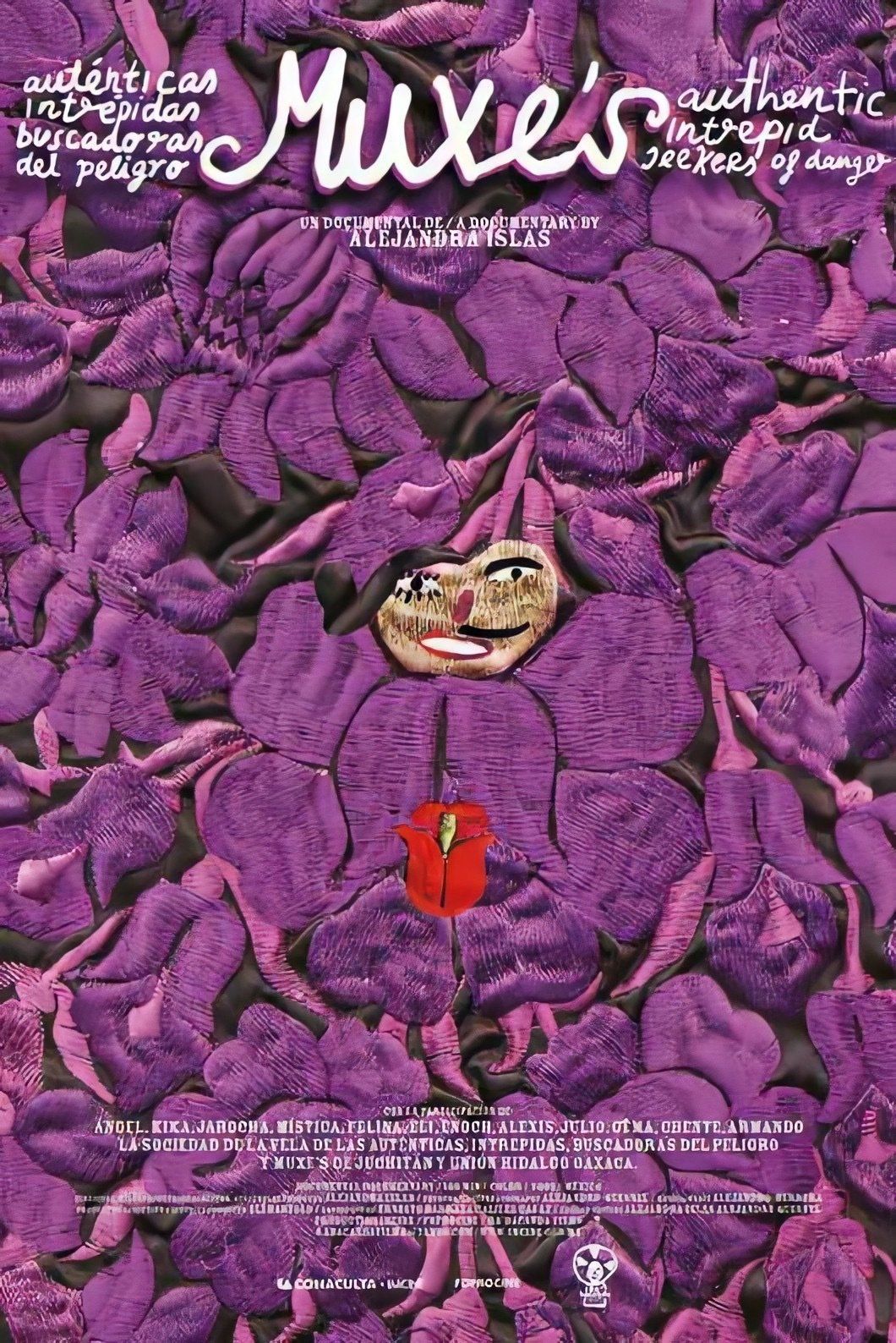
On the sun-baked Isthmus of Tehuantepec in Mexico lies the town of Juchitan, whose population of indigenous Zapotecs have for centuries warded off numerous invasions to preserve their identity. Today, Juchitan has an additional, more notorious, identity, as a "queer paradise" famous for its Muxes, effeminate homosexual men whose socially defined role within the Zapotec culture pre-dates the advent of gay liberation. In this society, Muxes have traditionally filled the roles of sewing, cooking, preparation of celebrations and providing lifetime care for their parents. Likewise, the men we meet here are chefs, salon-owners, housekeepers and teachers, in addition to being inveterate fun-lovers and an acknowledged "outlet" for straight men in a culture that still values virginity in brides. However, all is not perfect in paradise, as director Alejandra Islas occasionally suggests in a frequently amusing way just how low the glass ceiling of acceptance might be for those who push too hard. The Muxes of Juchitan are proud of their identity, enjoy their lives, laugh at themselves as well as at "straight" society, and admit their own foibles freely. They call themselves "Authentic, Intrepid Seekers of Danger", and have banded together to lead the fight against AIDS in Oaxaca. They talk frankly about their experiences of acceptance and rejection, and their successes in finding freedom, love and delight in their special identity.
Being muxe is often confused with being transgender, but it is an identity specific to the Oaxaca region and the indigenous Zapoteca culture. Having a muxe person in the family has come to be seen as good luck and even a blessing. But life outside Juchitán is not always easy. As the film progressed, they indicated that it was obvious to them that the level of tolerance and acceptance towards the muxe was neither evenly distributed in the whole community nor equally present in all historical periods. The documentary also emphasizes the relationship between the muxes and their mothers, their many contributions to the community, their indisputable leadership in issues such as AIDS and STDs prevention campaigns. An interesting insight into a community that I did not know anything about and I would guess not many folks would either. (5/10)
Comments